

Although no diet has been proven to change the course of multiple sclerosis, nutritious foods like fresh fruit and low-fat dairy may help you fight fatigue, dietitians say.
Fatigue caused by multiple sclerosis (MS) is among the most common symptoms of the disease, and it can take a serious toll on your work and home life.
Often called “lassitude,” according to the National MS Society, fatigue related to MS has unique effects on people with the condition:
- It happens every day and often comes on suddenly.
- It can affect you as you’re starting your day, even if you slept well the night before, and it often gets worse as the day goes on.
- Heat and humidity can intensify fatigue.
- It’s often more severe than normal fatigue and can interfere with your ability to function throughout the day.
Lassitude is an effect of demyelination, or damage that happens to the outer covering of your nerves when you have MS, says Mona Bostick, RDN, a nutritionist, certified MS specialist, and founder of the blog and private practice MSBites, based in Greensboro, North Carolina. Bostick has been living with relapsing-remitting MS since 2008. “Demyelination makes the body work harder throughout the nervous system, thus producing fatigue,” she explains.
“I tell people to think of their body as an engine that MS has rendered less energy-efficient or effective,” says Bostick. “Folks without MS start out with a tank full of energy every day. People with MS start out with only a gallon or two, and we run out of energy quicker, because MS has made our engine less energy-efficient.” And when it comes to making the most out of the energy you do have, “putting high-quality fuel in your tank” is key, Bostick adds.
Though no diet has been proven to affect the course of MS, eating the right foods will give you your best shot at managing exhaustion. Here are seven fatigue-fighting ways to fuel your body.
1. Refresh With Water

Dehydration contributes to fatigue, so water is an important tool. “Individuals with MS often have neurogenic bladder, which affects the ability to properly control bladder emptying. As a result, they may refrain from drinking enough water, which can lead to dehydration,” says Nina Eng, RDN, the chief clinical dietitian at Northwell Health Plainview Hospital in Plainview, New York.
According to the Food and Nutrition Board of the National Academy of Sciences, men should drink about 3.7 liters of total water per day, and women should drink around 2.7 liters (total water can include drinking water, water-containing beverages, and water-containing foods).
And if you are exercising vigorously or if the weather is hot, you may need more than that.
2. Pump Up the Protein

“Protein is a macronutrient that provides the body with fuel,” says Eng. It’s known to have multiple roles in the body, including helping to repair cells and build new ones.
Eng recommends protein-rich options such as nuts, beans, and lean animal proteins.
3. Munch on Nutrient-Packed Snacks

“Good options include 100 percent whole-grain crackers or bread sticks with low-fat cheese; fresh fruit with plain, low-fat, or fat-free yogurt; low-fat granola, a glass of low-fat or skim milk, and frozen blueberries,” says Elizabeth Somer, RD, a nutritionist and the author of several books on nutrition, including Eat Your Way to Happiness.
She recommends steering clear of high-sugar snacks, which cause a spike in energy and then a fast crash, which worsens fatigue.
4. Boost Your Omega-3 Intake
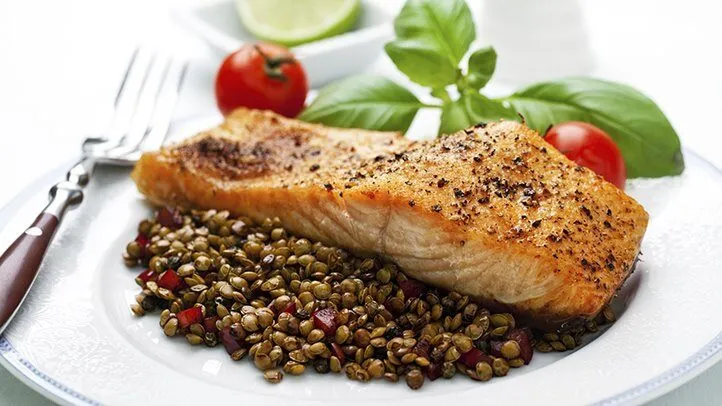
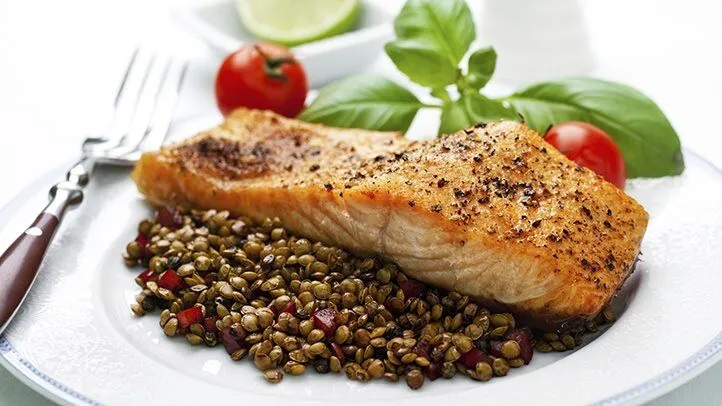
Omega-3 fatty acids, found in high amounts in fatty fish such as salmon, may reduce inflammation in the body and reduce the risk of stroke and heart disease.
“Fish, including wild salmon, mackerel, anchovies, and tuna; ground flaxseed; flax oil; leafy green vegetables; and walnuts are all good sources of omega-3 fats,” Eng says.
5. Begin Your Day With a Good Breakfast
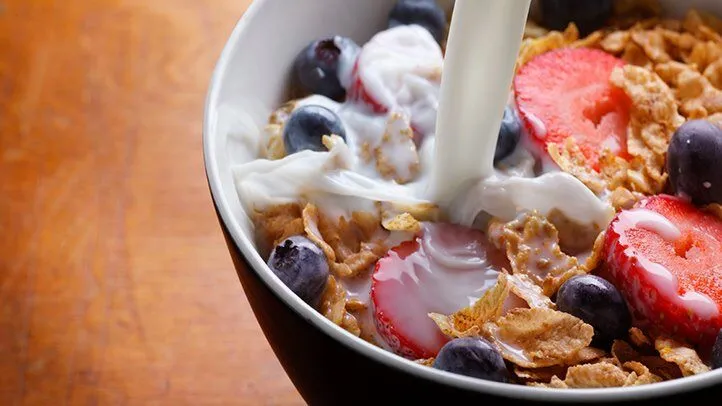
A good breakfast can help improve concentration, strength, and endurance, but what is “good”?
Eng advises, “Look for foods that contain at least 3 grams of fiber per serving.” Those might include oatmeal, whole-grain breads or pancakes, high-fiber breakfast cereals, and grains such as brown rice or quinoa. Add some fruit or vegetables for more nutrients and fiber.
Include some protein — from foods such as eggs, low-fat dairy products, soy milk, seeds, nuts, and nut butters — and a small amount of healthy fats in your meal, too, to feel satiated longer.
6. Bone Up On Calcium and Vitamin D

But experts do know that getting enough vitamin D and calcium is key for bone health among people who already have MS.
“It’s a good idea to incorporate foods high in vitamin D and calcium into your diet, especially if you have been on steroids for a long time,” Eng says, because one side effect of steroids is poor bone health. Low levels of weight-bearing activity, such as walking, can also lead to weak bones and a higher fracture risk.
Good food sources of vitamin D include fortified milk and orange juice, cod liver oil, and fatty fish. Small amounts of vitamin D are naturally present in egg yolks and cheese.
To get calcium, Eng suggests eating cheese, yogurt, milk, sardines with bones, dark leafy greens, fortified cereal, and soybeans. And for any calcium-containing foods you choose, Bostick recommends sticking to low-fat options.
7. Consider Taking a Multivitamin
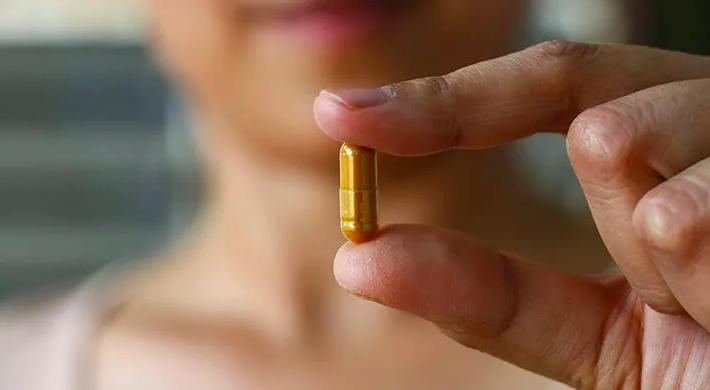
“I recommend taking a moderate-dose, broad-range multivitamin every day,” says Somer, noting that most Americans don’t meet the recommendations for a balanced diet.
And while B-vitamin supplements are sometimes touted as energy boosters, she says that a multivitamin contains enough B to do the trick for most people.
Vitamin D supplements may also offer some benefits for people with MS, including improved symptoms and quality of life. Taking vitamin D is likely safe for people with MS, but doses that are too high could affect your calcium levels, according to the Mayo Clinic.
Before taking any individual vitamin or mineral supplements, talk to your doctor about whether you should take them and how much to take. Some supplements can interact with MS medications or other drugs you may be taking.
Source: Everydayhealth